
When Norwegian Teachers Said No.
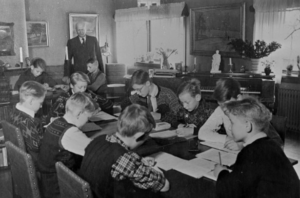
When Nazi Germany invaded Norway on April 9, 1940, the country suddenly found itself under foreign occupation. As the war continued, the Germans installed a collaborationist government led by Vidkun Quisling, whose name would eventually become synonymous with betrayal. The occupiers sought to reshape Norwegian society according to Nazi ideals, and one of their most important targets was the nation’s schools.
In 1942, the occupation authorities ordered Norwegian teachers to join a new state-controlled teachers’ organization. Membership was not simply a matter of paperwork. The organization was intended to help spread Nazi ideology to Norwegian children and reshape the educational system according to the occupiers’ political goals. For many teachers, this demand crossed a line that could not be ignored. They believed their responsibility was to educate students, not indoctrinate them.
What happened next became one of the most remarkable acts of nonviolent resistance during World War II. Across Norway, teachers quietly organized and communicated through secret networks. Despite the dangers of surveillance and punishment, approximately 12,000 teachers signed letters refusing to join the Nazi-controlled organization. Their protest was not carried out with weapons or violence. Instead, it was rooted in professional ethics, personal conviction, and a determination to protect the independence of education.
The occupation authorities responded harshly. In March 1942, roughly 1,000 teachers were arrested. Many were sent to prisons and labor camps within Norway. Between 500 and 700 teachers were deported to forced labor assignments in northern Norway, where they faced brutal conditions, bitter cold, and inadequate food. The authorities expected that imprisonment and hardship would eventually force the teachers to submit.
Instead, the pressure strengthened their resolve. The overwhelming majority refused to cooperate with Nazi educational policies. Their courage inspired ordinary Norwegians across the country. Parents, clergy, and citizens from all walks of life admired the teachers’ stand and offered support whenever possible. What began as a professional dispute had become a national symbol of resistance against authoritarian control.
In the end, the teachers prevailed. The Nazi authorities eventually abandoned their efforts to fully Nazify Norwegian schools. The campaign became one of the most successful examples of organized nonviolent resistance in occupied Europe. Today, the Norwegian teachers’ resistance is remembered as a powerful reminder that defending freedom sometimes begins in a classroom. Through courage, integrity, and an unwavering commitment to democratic values, these educators protected not only their profession but also the future of a nation.